
De-Risking the EV Transition: Circular Supply Chains as a Competitive Advantage
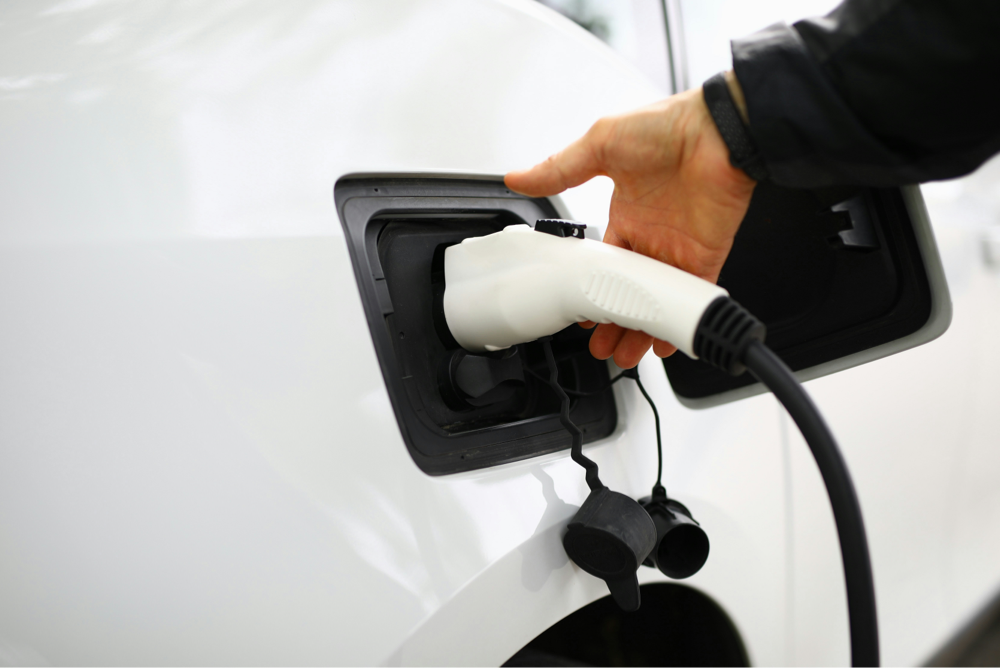
As automakers progress through the complex transition to electrification, the critical challenge lies within the supply chain, specifically in the safe, ethical, and flexible management of batteries and their end-of-life pathways.
The New Complexity in Automotive Supply Chains
The shift from internal combustion to electric vehicles (EVs) isn’t simply a swap of engines, it fundamentally reshapes the entire supply architecture. OEMs today often support multiple powertrains in parallel (ICE, hybrid, plug-in, fully electric) depending on region and market. As DP World’s David D’Annunzio notes, even though an EV has fewer moving parts, the necessity to support variants in the same factories adds complexity.
Battery logistics also introduce new constraints: because lithium-ion batteries are classed as hazardous goods for road and air transport, stringent controls on temperature, humidity, state of charge, handling, and segregation are mandatory. Digital monitoring, regulatory compliance, and risk mitigation all become core components, not afterthoughts.
Moreover, the need for circular aftermarket flows (i.e. reclaiming and recycling used batteries) is increasingly no longer optional; it is becoming a legal, commercial, and competitive imperative.
Key Dynamics Shaping the Market
Here are the core trends that OEMs, battery suppliers, and logistics providers must address:
- Vertical integration & localisation of battery production: To control cost, quality, and resilience, many OEMs are investing in their own battery capacity or forging JVs (e.g. in Europe or North America).
- Battery passports / traceability regulations: Europe’s forthcoming EU Battery Passport (mandatory from 2027) will require transparent life-cycle data for batteries. Logistics providers must allow full traceability.
- Circular economy and reverse flows: EV batteries cannot simply be discarded – dealerships, remanufacturers, and recyclers must coordinate returns, safe transport, and processing.
- Geopolitical pressure & competitive edge of China: Chinese EV and battery firms lead globally in electric vehicle production and battery output, compelling Western OEMs and supply chains to respond with innovation, efficiency, and strong circular strategies.
- Flexibility as risk insurance: As D’Annunzio stresses, the fastest route to long-term resilience is not reliance on the lowest cost but keeping multiple pathways open in supply, production, and logistics.
In short: managing battery supply is no longer just about procurement and manufacturing, the entire lifecycle (transport, use, return, recycling) must be engineered with reliability, transparency, and flexibility.
How Recyclus Group Helps Automakers De-Risk the Battery Value Chain
Recyclus Group stands uniquely at the intersection of battery recycling, logistics, and circular materials supply, offering OEMs and partners a turnkey solution to turn risk into opportunity.
Industrial-scale recycling: black mass recovery:
- Recyclus operates the UK’s first industrial-scale lithium-ion battery recycling plant in Wolverhampton. Our facility is fully permitted, commercially operational, and designed for continuous throughput, providing UK and European OEMs with a domestic, secure, and compliant recycling partner at scale.
- We produce high-quality black mass from end-of-life lithium-ion batteries – a material rich in critical minerals such as lithium, cobalt, nickel, and manganese, which can be refined and returned to the battery supply chain.
- By reducing reliance on virgin mining and international export for battery waste, Recyclus helps OEMs lower their carbon footprint, strengthen ESG credentials, and insulate from regulatory or trade disruption.
- In a recent project, Recyclus recycled 4,000 Li-ion battery modules over 10 weeks, leveraging its proprietary LiBox containers, under UN/ADR compliance.
Safe storage, transport & compliance (LiBox, ADR handling, etc.)
- Recyclus offers a complete solution for storage and transport of Li-ion batteries using in-house engineered containers (LiBox) and logistics systems.
- Our infrastructure is designed for regulatory compliance (hazard segregation, fire suppression, staff training) to handle the exacting demands of battery logistics.
Conclusion: Resilience Lies in Circular Strategy
In the evolving era of electrification, supply chain strength is measured not just by cost or speed, but by flexibility, transparency, and circular integrity. OEMs and battery producers need to rethink logistics not as a back-end burden but as a competitive asset.
Recyclus Group is uniquely aligned to support that transformation, bridging battery lifecycle logistics, safe handling, recycling, and material reuse.
As regulations tighten, carbon commitments deepen, and competition intensifies, Recyclus offers a stable foundation for automakers to manage risk, build resilience, and strengthen confidence in a circular, sustainable future.