
Where Do Electric Car Batteries Go After Their Lifespan Ends?
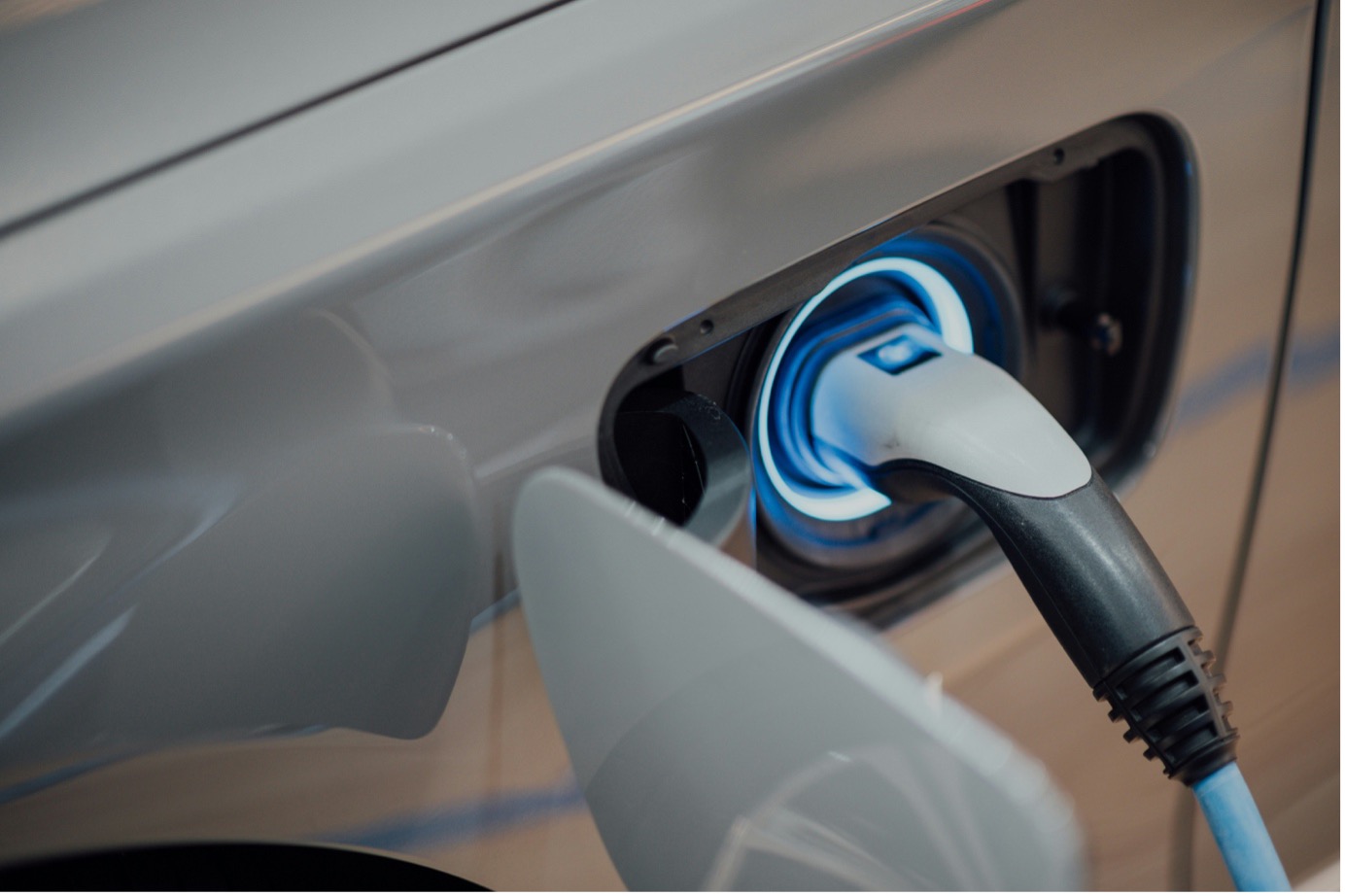
BGR, a leading technology and innovation news outlet, explored one of the most pressing questions in the electric vehicle (EV) revolution: what happens to EV batteries when they reach the end of their life?
It’s an issue with growing urgency. By 2030, tens of millions of EVs are expected to be on the road globally, each powered by lithium-ion battery packs that can weigh hundreds of kilograms. These batteries are the beating heart of modern EVs, storing the energy that drives the clean mobility transition. But like all technologies, they degrade. After years of charging and discharging, an EV battery loses capacity – typically becoming “depleted” at 70-80% of its original performance.
The story doesn’t end there. These batteries can be dismantled, recycled, or even given a second life. The question is whether infrastructure, innovation, and economics can keep pace with the world’s accelerating demand.
The Case for Recycling
Yes, EV batteries are recyclable. In fact, the process is becoming increasingly sophisticated. Inside each cell lies a complex mix of critical raw materials: lithium, nickel, cobalt, manganese, graphite, copper, and aluminium. Together, they represent both the value and the challenge of modern electrification.
Mining these metals is costly, energy-intensive, and often tied to environmental or ethical concerns. Recycling them addresses both resource scarcity and sustainability, reducing pressure on supply chains while cutting emissions. According to industry data, a typical EV battery is overwhelmingly made of metal, with plastics and other materials making up only a small fraction. While metals deliver the economic value, recycling every component, even plastics, supports the circular economy.
Second Life: Promise or Reality?
At 70% capacity, an EV battery no longer meets performance standards for vehicles, but it’s far from useless. A number of demonstration projects have explored “second life” applications: grid-balancing systems, home solar storage, or industrial energy backup.
However, as BGR points out, economics remain a challenge. With the falling cost of new lithium-ion batteries, repurposing old packs at scale has yet to prove commercially viable. Until standardised systems and cost parity are achieved, “second life” will remain a promising but underdeveloped part of the energy transition.
In addition to these economic hurdles, “second life” also carries regulatory and safety responsibilities that cannot be overlooked:
- Those placing second-life batteries on the market must legally assume the role of a “producer”, meaning they are responsible for full compliance, reporting obligations, and associated costs.
- It opens the door to a grey market of unauthorised sellers and untrained installers. This combination significantly increases the risk of harm to humans and the environment if the batteries are mishandled, improperly stored, or unsafely installed.
Recyclus: Delivering Proven Industrial-Scale Solutions
At Recyclus Group, this is not just theory; it’s practice. Since July 2023, we have been operating the UK’s first industrial-scale lithium-ion battery recycling facility, LiBatt, which has already proven its ability to safely and efficiently recycle end-of-life batteries at scale.
- Proven Capability: Over 2 years of continuous operations, processing industrial volumes of lithium-ion batteries.
- Partnerships in Action: Actively working with EV manufacturers, OEMs, and industry leaders to provide a secure, scalable recycling pathway.
- Circular Impact: Recovering valuable black mass, rich in lithium, cobalt, nickel, and manganese, and reintroducing it into the supply chain, reducing reliance on mining.
Unlike second-life concepts that remain in early stages, our recycling solution is real, compliant, and operational – providing manufacturers with the certainty they need as volumes grow.
Closing the Loop
The EV revolution will only be as sustainable as the systems built to support it. Batteries don’t end their journey when a car stops running; they enter a new phase, one that can conserve resources, strengthen supply chains, and accelerate the circular economy.
As global production scales, leaders across automotive, energy, and policy will need partners who can deliver reliable, safe, and industrial-scale solutions.
At Recyclus Group, we’re proud to be at the forefront of that mission, ensuring that the future of electrification is not just cleaner on the road, but truly sustainable from start to finish.
See how we cater to the electric vehicle battery sector.