
Understanding Lithium Battery Degradation and Its Impact on Recycling
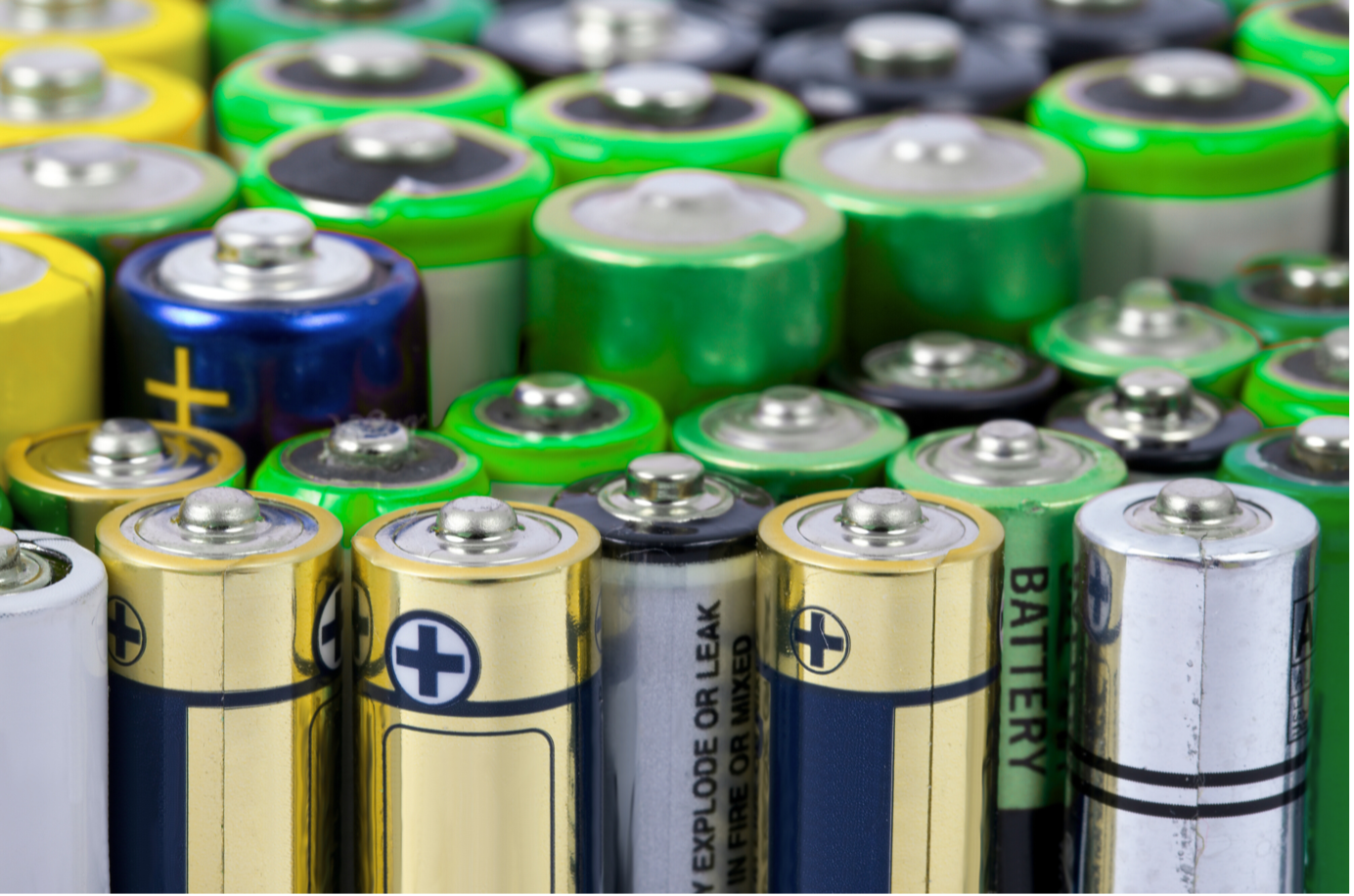
Lithium-ion batteries power the devices and vehicles we rely on every day, from smartphones to electric vehicles (EVs). While these batteries are essential for modern energy storage, they do not maintain their performance indefinitely. Over time, chemical and structural changes reduce their efficiency and lifespan.
Understanding these degradation processes is crucial, not only to extend battery life but also to improve recycling rates and ensure safe disposal.
Cycle Life and Capacity Decline
Every lithium-ion battery has a finite cycle life – the number of complete charge and discharge cycles it can perform before its capacity drops below a usable threshold, typically around 80% of its original storage.
Capacity fade occurs gradually, diminishing the energy a battery can deliver. These changes are driven by alterations in the battery’s chemistry and internal structure, making effective recycling strategies essential to recover valuable materials before further degradation occurs.
Key Degradation Mechanisms
Several processes contribute to battery deterioration:
• Solid Electrolyte Interphase (SEI) growth: A layer forms on the anode during early charging and thickens over time, consuming lithium and reducing capacity.
• Lithium plating: Occurs under fast charging or low-temperature conditions, potentially causing permanent damage and safety hazards.
• Cathode degradation: Structural breakdown of cathode materials reduces efficiency and energy output.
• Electrolyte decomposition: Chemical changes hinder ion movement and increase internal resistance.
Recognising these mechanisms is important for recycling, as they influence how materials such as lithium, nickel, cobalt, and manganese can be safely and efficiently recovered.
Temperature, Charging, and Usage Patterns
Battery lifespan is heavily affected by environmental and operational factors. High temperatures accelerate chemical reactions, worsening SEI growth and electrolyte breakdown. Conversely, low temperatures increase the risk of lithium plating during charging.
Charging habits also play a role. Rapid charging can increase stress and wear, while depth of discharge (the proportion of capacity used before recharging) impacts cycle life. Shallow discharges typically extend battery longevity, whereas deep discharges accelerate capacity loss. For recyclers, understanding a battery’s usage history informs safe handling and optimal recycling methods.
How Degradation Knowledge Enhances Recycling
Assessing battery degradation is key to safe and efficient recycling. By evaluating the state of health and identifying specific wear patterns, recyclers can:
• Safely discharge and dismantle batteries for compliant disposal.
• Select the most suitable recovery process based on the battery’s condition.
• Maximise the recovery of critical materials using advanced recycling technologies.
Recyclus Group’s Approach
Recyclus Group has been operational at industrial scale since July 2023, processing substantial volumes of end-of-life lithium-ion batteries.
Conclusion
Understanding how lithium-ion batteries degrade over time is essential for both prolonging their life and improving recycling efficiencies. Temperature, charging habits, and inherent chemical processes all influence performance and safety.
By leveraging insights into degradation, Recyclus Group ensures end-of-life batteries are recycled safely, efficiently, and sustainably, recovering critical materials to support a circular economy.