
China’s New Battery Tax Signals a Changing Global Supply Chain
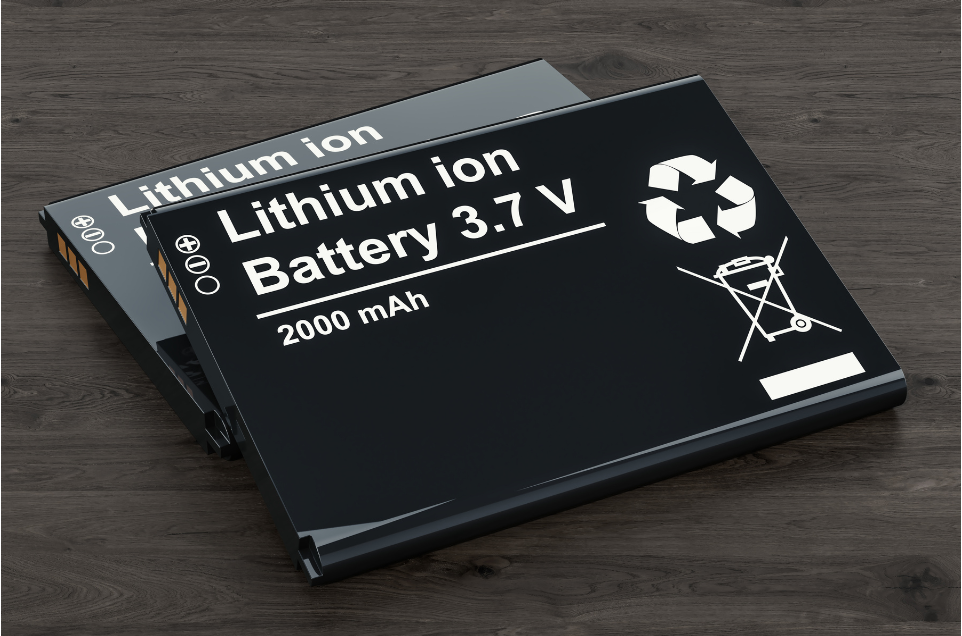
China’s recent decision to introduce a consumption tax on lithium-ion batteries and photovoltaic cells marks another significant development for the global battery industry. As one of the world’s largest producers of lithium-ion batteries, policy changes in China have the potential to influence manufacturing, investment and material flows well beyond its borders.
While the immediate impact will be closely monitored by battery manufacturers and downstream industries, the announcement reflects a broader trend that has been gathering pace over recent years: battery supply chains are becoming increasingly shaped by government policy, industrial strategy and geopolitical considerations, alongside market demand.
As countries seek to strengthen energy security and reduce reliance on concentrated sources of critical minerals, the resilience of battery supply chains has become a strategic priority. Governments around the world are investing in domestic battery manufacturing, refining capacity and recycling infrastructure to support the transition to electrification while improving resource security.
In this context, battery recycling has an increasingly important role to play.
Recovering valuable materials such as lithium, nickel, cobalt and graphite from end-of-life batteries helps reduce dependence on virgin resources and supports the development of more circular, localised supply chains. As demand for electric vehicles, battery energy storage systems and other electrified technologies continues to grow, recycling will become an essential part of securing the critical materials needed for future battery production.
The battery value chain is no longer simply about producing more batteries—it is about ensuring those materials remain in circulation for as long as possible.
At Recyclus, we recognise that innovation across the entire battery lifecycle will be essential to achieving this goal. Alongside our commercial lithium-ion battery recycling operations, we are proud to contribute to collaborative research and development through projects including ReCAM and COMET. These initiatives are helping to advance technologies and processes that improve material recovery, support circular battery value chains and strengthen the UK’s capabilities in battery recycling.
As regulatory frameworks continue to evolve around the world, businesses across the battery sector will need to adapt to changing market conditions and supply chain dynamics. Developments such as China’s latest policy announcement reinforce the importance of building resilient, diversified and circular supply chains that can support long-term electrification while reducing reliance on finite resources.
The transition to a low-carbon future depends not only on how batteries are manufactured today, but also on how effectively their valuable materials are recovered and reused tomorrow.