
China Tightens Battery Export Controls: What This Means for UK Supply Chain Security
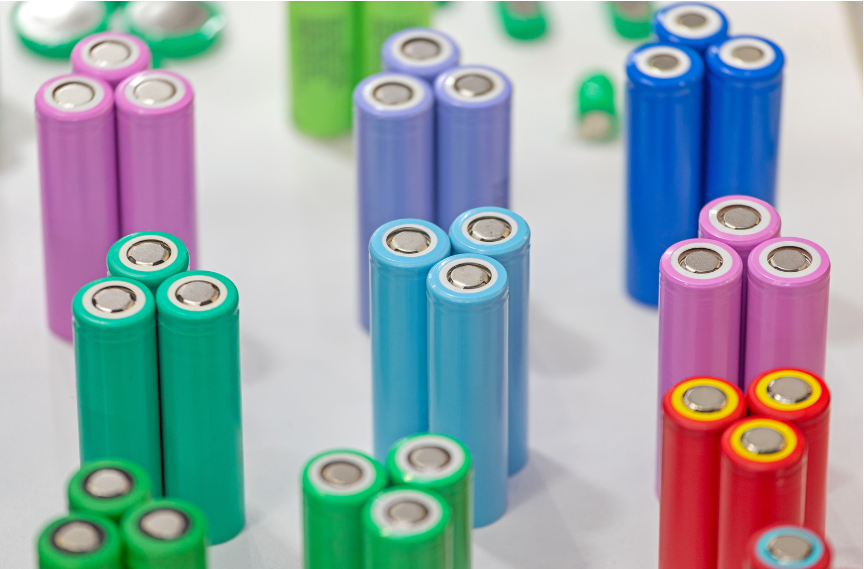
With near-total dominance in LFP cathodes (99%) and synthetic graphite anodes (97%), China is now introducing export controls that could reshape global battery access. In October 2025, China announced new export controls on lithium-ion batteries, cathode and anode active materials, and the manufacturing equipment and processes used to make them.
This development is not just a policy shift; it is a strategic signal. The UK and Europe remain heavily dependent on China for battery materials, chemical precursors and gigafactory equipment. Without action, our EV, energy storage and electrification goals could be exposed to geopolitical risk.
To secure long-term stability and competitiveness, the UK must accelerate domestic battery recycling, black mass processing and localised production.
What China’s New Measures Cover
The latest controls require export licences for a wide range of “dual-use” battery-related products, including:
- Lithium-ion cells and packs with ≥300 Wh/kg energy density
- LFP cathode materials with ≥2.5 g/cm³ density and ≥156 mAh/g capacity
- NCM and NCA precursor materials
- Synthetic and natural graphite anodes and blends
- Manufacturing equipment, technology and processes for all of the above
High energy density cells are currently used in drones, defence and eVTOL applications, proving grounds for next-generation designs like silicon-anode, semi-solid and solid-state batteries. By restricting these technologies, China is protecting its technological edge.
Why This Matters: Strategic Choke Points
This is not the first time China has used export controls in the battery sector. In 2023, China required special permits for natural graphite and restricted LFP cathode preparation technology. However, the scope of the 2025 measures is far broader.
China holds dominant positions across the value chain:
- ~99% of LFP cathode material production
- 97% of synthetic graphite anode material
- Top 5 global manufacturers of battery equipment are Chinese
Export Controls = Leverage, Not Isolation
Exporters must now apply for licences, providing detailed information about products, customers and end use. This adds bureaucracy and gives China discretion over who receives critical technology.
We have already seen the pattern:
1. Companies rush to build inventory before restrictions begin.
2. Export volumes drop for 2–3 months as licences are processed.
3. Trade resumes – but selectively, depending on political relationships.
Ultimately, this is not about shutting off supply completely. It is about control and leverage, particularly as trade tensions rise between China, the US and Europe.
Implications For The UK: Resilience Is Now Essential
The UK’s battery strategy cannot rely on overseas access to cathodes, anodes or production machinery. To build a competitive and secure battery ecosystem, we must:
- Develop domestic recycling and black mass recovery
- Invest in local refining and precursor production
- Reduce dependency on imported equipment and technology
- Support strategic projects like COMET that build UK capability
- Encourage partnerships across automotive, defence, BESS and manufacturing
Recycling is no longer a sustainability option, it is a national security requirement.
How Recyclus Is Helping Build Supply Chain Security
Recyclus Group has been operational at industrial-scale since July 2023, processing significant volumes of end-of-life lithium-ion batteries. Our Wolverhampton facility recovers critical materials from EVs, BESS units, consumer electronics and industrial batteries, returning them to the supply chain as high-value black mass.
We collaborate with partners across automotive, energy storage, insurance and defence to provide:
- Safe and compliant recycling
- Black mass recovery at scale
- Material traceability and reporting
- National infrastructure for battery circularity
By enabling the UK to extract critical materials domestically, we help reduce dependence on international supply chains and increase long-term resilience.
Conclusion
China’s latest export controls signal a new phase in the global battery race. As access to cathodes, anodes and manufacturing technology becomes a geopolitical tool, the UK must build its own capabilities to remain competitive.
Local recycling, black mass recovery and domestic processing are the cornerstone of that strategy.
Recyclus is already delivering the infrastructure to support a circular, secure and sustainable battery supply chain, helping the UK move from vulnerability to resilience.