
Why Black Mass Quality Could Become Increasingly Important to Europe’s Battery Recycling Industry
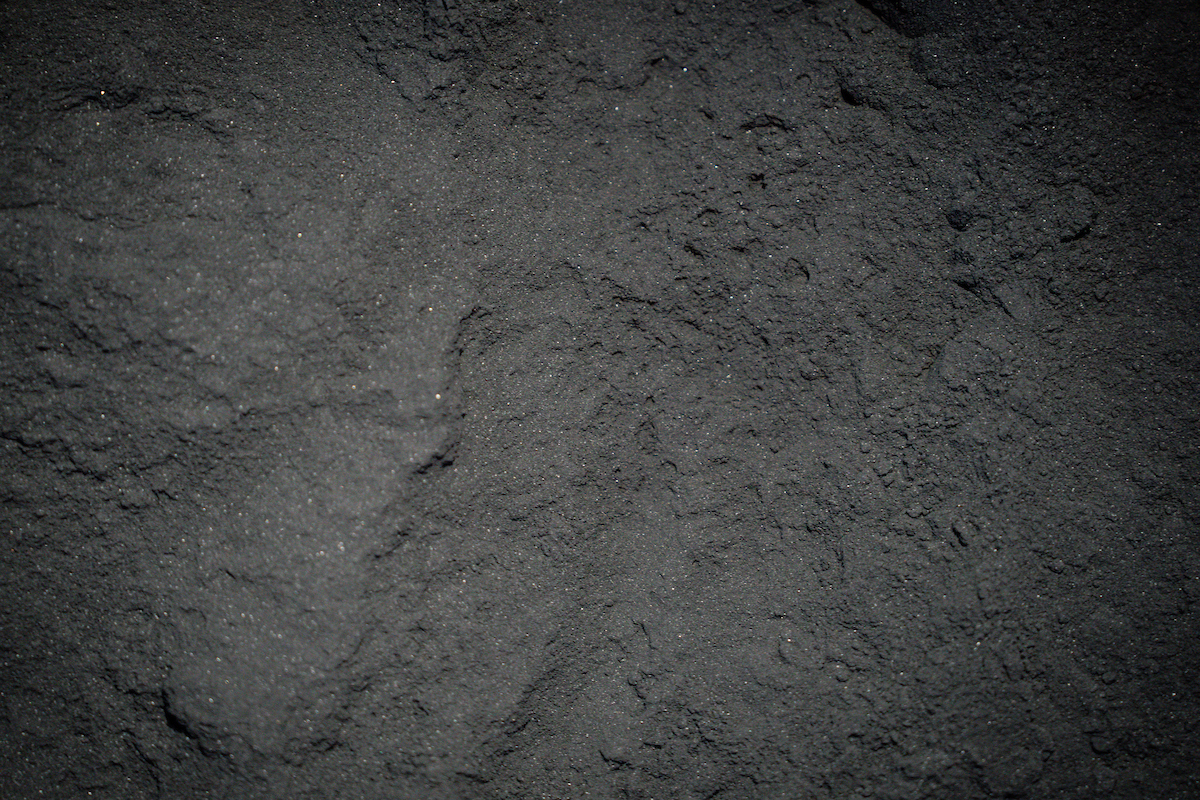
As Europe builds a more circular battery supply chain, attention is increasingly turning to an important intermediate material produced during lithium-ion battery recycling: black mass.
A new German research initiative, SHERLOCK, is seeking to establish more consistent methods for analysing and classifying black mass, with the aim of developing standardised quality classes for the material.
At Recyclus Group, we are already producing black mass at our industrial-scale lithium-ion battery recycling facility in Wolverhampton and supplying material into Glencore’s European network and operations. This development highlights the continuing maturation of the market in which we operate. At the same time, through initiatives including Project COMET and RECAM, we are working to develop greater UK capability to separate and recover the valuable materials contained within black mass, with the aim of retaining more of the battery recycling value chain domestically.
Why black mass quality matters
When end-of-life lithium-ion batteries are mechanically processed for recycling, one of the resulting products is black mass: a fine material containing many of the valuable elements originally used to manufacture the battery.
Depending on battery chemistry, this can include lithium, nickel, cobalt, manganese and graphite — materials which can potentially be recovered through further processing and returned to the battery supply chain.
However, not all black mass is identical.
Its composition can vary depending on battery chemistry, age, previous use and the recycling process itself. Impurities can also influence the efficiency of downstream processing and the quality of recovered materials.
This is the challenge the SHERLOCK project is seeking to address.
Led by a consortium of German research and industry organisations, SHERLOCK is developing analytical methods designed to enable precise and reproducible assessment of black mass. The project intends to classify material according to factors including composition, purity and heterogeneity and develop standardised quality classes.
Its planned technical specification is ultimately intended for submission to DIN and ISO standards committees.
From waste stream to secondary raw material
Greater consistency in how black mass is characterised could potentially make it easier for producers and downstream processors to understand the material being handled and determine the most appropriate recovery route.
In turn, clearer specifications could support greater transparency around black mass quality and commercial value.
This represents an important evolution for the battery recycling industry. The objective is increasingly not simply to collect and process end-of-life batteries, but to maximise the recovery of the valuable materials they contain.
Black mass sits at the centre of that transition.
Recyclus is already operating within this supply chain
At our industrial-scale lithium-ion battery recycling facility in Wolverhampton, Recyclus processes end-of-life batteries and produces black mass containing valuable battery materials.
In December 2024, Recyclus entered into an offtake agreement with Glencore for the sale of black mass into Glencore’s European network and operations.
Following the necessary Transfrontier Shipment of Waste approval, the first shipment was delivered to Europe in March 2025. A new Transfrontier Shipment licence secured in April 2026 enables those sales to continue, providing an established commercial route from end-of-life batteries processed in the UK into the wider European battery materials value chain.
Moving further along the value chain
Producing black mass is one stage of the recycling process. The next opportunity is improving the separation and recovery of the individual materials contained within it.
Recyclus is already participating in work in this area.
Through our subsidiary LiBatt Recycling Ltd, Recyclus is part of the aforementioned Project COMET, alongside Mint Innovation, JLR and WMG at the University of Warwick.
The three-year project is backed by a total investment of £8.1 million, jointly funded by the UK Department for Business and Trade through the Advanced Propulsion Centre and participating industry partners, with the objective of developing black mass separation capability in the UK.
Together, initiatives such as SHERLOCK and Project COMET illustrate the direction in which battery recycling is moving: from collection and mechanical processing towards increasingly sophisticated characterisation, separation and recovery of critical materials.
Building a more circular battery supply chain
As the battery recycling sector matures, the ability to identify, measure and maximise the value contained within recycled materials will become increasingly important.
SHERLOCK’s focus on developing standardised methods for assessing black mass is another indication of that evolution. The project is specifically looking at how differences in composition and impurities affect downstream recycling, with the aim of directing material towards more appropriate processing routes.
For Recyclus, this is a market in which we are already operating.
We are processing lithium-ion batteries in the UK, producing black mass at industrial scale and supplying that material into an established offtake network. At the same time, our involvement in both Project COMET and Project ReCAM are focused on developing greater capability to separate and recover the materials contained within black mass here in the UK.
The development of clearer standards for black mass should therefore be viewed as part of a broader transition.
Black mass is increasingly more than an output of battery recycling. It is an important secondary raw material containing many of the critical materials required by the battery industry.
As the market develops, understanding its quality, improving its consistency and maximising the recovery of the materials it contains will be central to building a genuinely circular battery supply chain.