
Trump Moves to Keep Black Mass in the US: Why Battery Recycling Is Becoming Critical to National Resilience
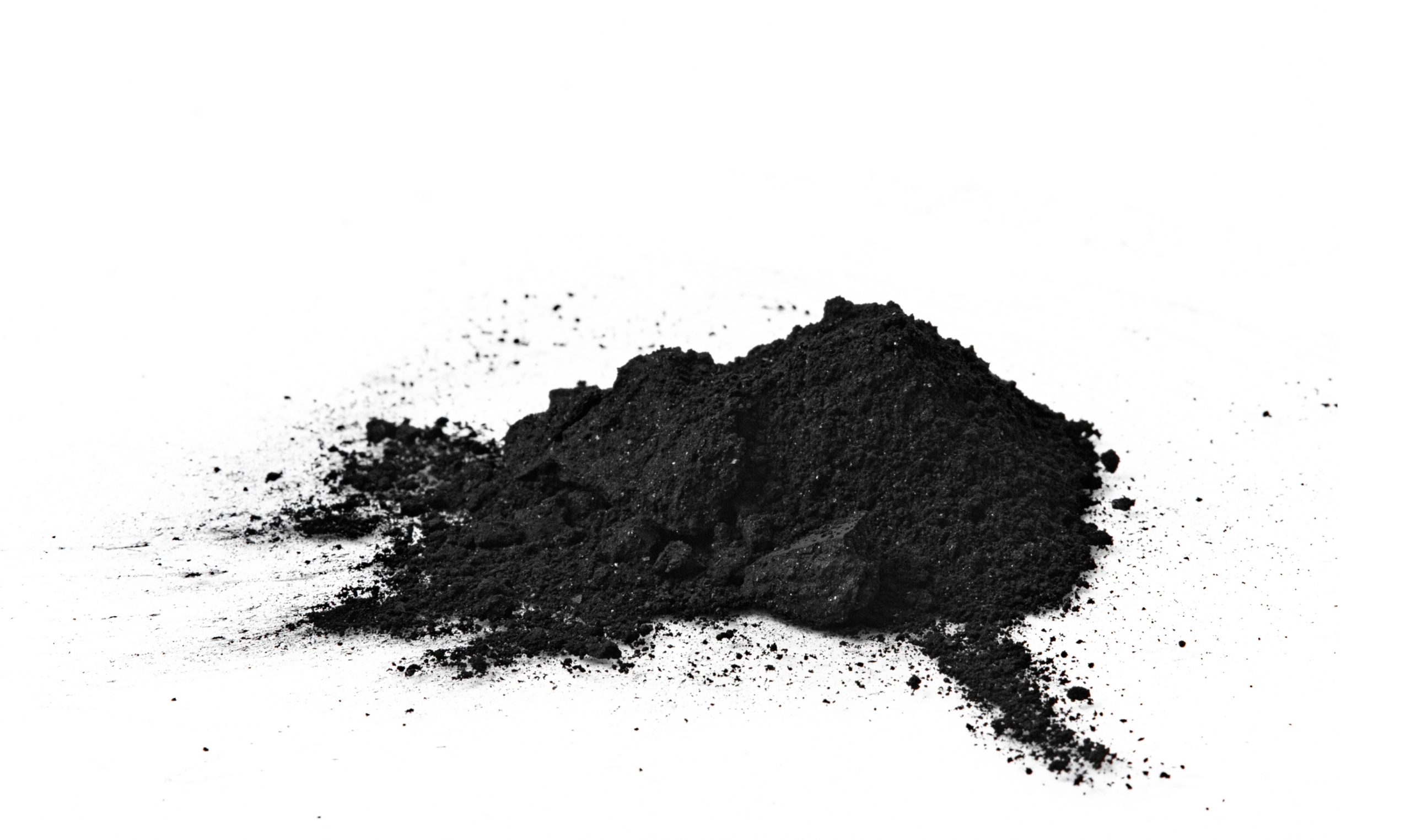
The Trump administration’s decision to restrict exports of black mass and other critical mineral-bearing waste sends a clear signal: end-of-life batteries are increasingly being viewed as strategic domestic resources.
The move aims to retain valuable materials such as lithium, nickel and cobalt within the United States, strengthen domestic recycling capacity and reduce reliance on overseas critical mineral supply chains.
For the battery recycling industry, it represents an important shift in how governments approach resource security – with clear implications for the UK.
Why is Trump restricting black mass exports?
In August, the US Commerce Department announced restrictions on exports of battery waste and tungsten scrap as part of efforts to strengthen domestic critical mineral supply chains. The measures include a one-year restriction, beginning on 27 August, on exports of black mass – the material produced when lithium-ion batteries are processed for recycling.
The objective is to retain more critical mineral-bearing material in the US, allowing its value to be captured by domestic recyclers and refiners rather than overseas processors.
Reuters reported that the measures form part of efforts to reduce US dependence on China, which maintains a significant position across global critical mineral processing and refining. Around 33,000 tonnes of electronic waste are exported from the US each month, according to figures cited by Reuters, some of which contains recoverable critical minerals.
Increasingly, exporting these materials can also mean exporting a potential source of future domestic supply.
Black mass as a strategic resource
Black mass can contain valuable materials including lithium, nickel and cobalt that, through downstream processing, can potentially be recovered and returned to the supply chain.
As electric vehicle and battery energy storage deployment increases, growing volumes of lithium-ion batteries will eventually reach end of life. For countries with established recycling infrastructure, these batteries could become an increasingly important source of secondary critical minerals.
The decision also highlights growing competition for recycling feedstock.
Battery recycling facilities require sufficient volumes of batteries and production scrap to operate effectively. Benchmark Mineral Intelligence’s analysis of the market has highlighted regional differences in black mass pricing, demonstrating how recyclable battery material is increasingly becoming an internationally traded commodity.
Restricting exports can therefore be viewed not simply as waste policy, but as an attempt to secure feedstock for a domestic critical minerals industry.
Domestic infrastructure is essential
Retaining black mass only creates strategic value if the infrastructure exists to process it.
Concerns have been raised that the US currently lacks sufficient capacity to process all available material. This demonstrates why critical mineral resilience requires investment across the value chain – from collection and logistics through to battery recycling, material recovery and downstream refining.
A circular battery economy requires both access to feedstock and the industrial capability to turn it back into usable materials.
What does this mean for the UK?
The US decision provides an important point of reference for Britain.
As the UK’s electric vehicle and energy storage markets grow, so too will the volume of lithium-ion batteries reaching end of life. These batteries represent both a waste-management responsibility and a potential domestic source of secondary critical minerals.
Exporting batteries and intermediate materials for processing elsewhere risks exporting part of their economic and strategic value.
Developing domestic recycling and recovery capacity instead provides an opportunity to retain more of that value within Britain and build a more circular battery supply chain.
Critical mineral security is no longer only about securing access to mines. It is increasingly about retaining the materials already within an economy and developing the capability to recover and reuse them.
Recyclus Group: helping drive UK critical mineral resilience
For Recyclus Group, these developments reinforce the importance of the work we are already undertaking across the lithium-ion battery recycling value chain.
We are already operating within a full circular recycling loop, processing end-of-life lithium-ion batteries into black mass and exporting this material to Glencore for downstream refining and recovery. This established route has been operational for over a year, ensuring the valuable critical minerals contained within end-of-life batteries are recovered and returned to the supply chain rather than lost as waste.
Building on this existing circular model, our twin-track strategy through Project COMET and Project ReCAM is focused on taking the next step: supporting greater UK critical mineral resilience by developing domestic routes for the recovery and refinement of these materials.
The projects are evaluating complementary processing technologies against key commercial and technical measures, including material purity, recovery rates, operating costs, energy demand, environmental impact and scalability. Our objective is to identify commercially viable pathways capable of recovering critical minerals from black mass within the UK and competing on an underlying cost basis with Chinese supply chains, before the impact of Chinese government subsidies.
This distinction is important. Recyclus Group is already closing the loop through our established recycling and Glencore offtake route. Project COMET and Project ReCAM are about developing the capability to close more of that loop here in Britain – retaining a greater proportion of the materials, processing capability and economic value within the UK.
Through our existing lithium-ion battery recycling operations, established black mass supply chain and twin-track COMET and ReCAM strategy, Recyclus Group is actively supporting the development of a more resilient UK battery ecosystem – recovering critical materials, strengthening domestic processing capability and helping drive UK critical mineral resilience.
Source: Reuters